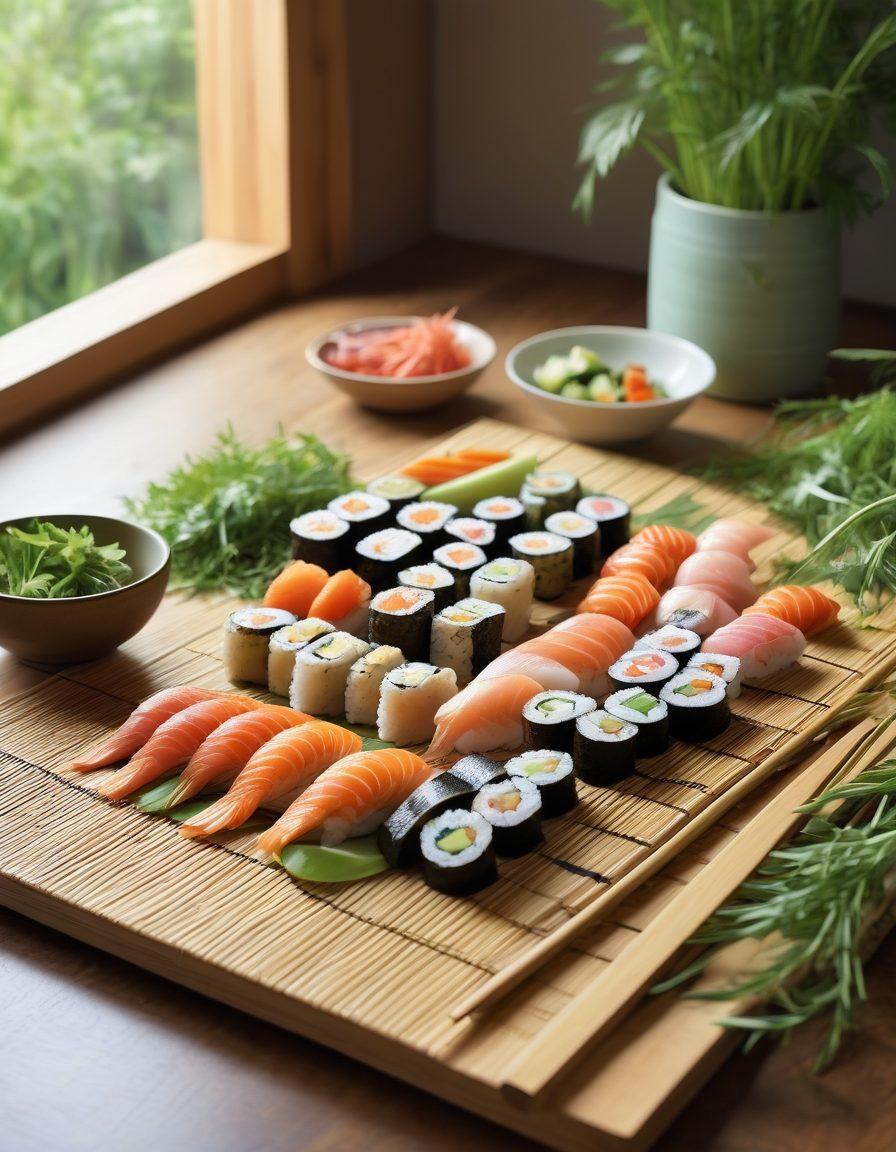
Cultivating the Perfect Roll: How Sustainable Agriculture Elevates Sushi Making at Home
Imagine savoring a piece of homemade sushi, each bite bursting with flavors crafted from ingredients just harvested from a local farm. This vision is no longer just a dream; it’s a tangible reality thanks to the vibrant farm-to-table movement sweeping across the country. As sushi recipes evolve, they mirror our growing appreciation for fresh, seasonal ingredients sourced from sustainable agriculture. But how do we transition from farm to table in our own kitchens? Let’s dive into the world of sushi-making and explore the journey of sushi rolls from their origins to your dining table.
Sourcing fresh sushi ingredients begins with understanding the importance of sustainable agriculture. When we think of sushi culture, we often picture fish glistening atop seasoned rice, yet the foundation of each delightful bite relies heavily on the quality of the ingredients used. Modern agriculture innovations strive to enhance our connections to food while prioritizing ethical farming practices. Local food movements encourage us to support farmers who cultivate crops with care and responsibility, ensuring we not only enjoy tasty sushi, but also contribute to a healthier planet.
Whether you are an avid home gardener or someone who has just begun exploring the art of vegetable gardening, getting hands-on with your sushi ingredients can be transformative. Are you curious about growing your own herbs, or perhaps even rice? Urban gardening and community gardening initiatives can provide great insights and offer resources on how to cultivate fresh produce that pairs wonderfully with homemade sushi. Imagine snipping fresh basil or cilantro from your own garden to elevate the flavors of your sushi rolls!
It's fascinating to see how the culinary arts intersect with agriculture. By engaging in organic gardening practices, you're not just another consumer; you are part of the sustainable cuisine revolution. With every cucumber, avocado, or radish you grow or purchase from local farmers, you support a system built on better agricultural practices. Each ingredient plays a distinct role in sushi recipes—not just in taste, but also in the story they tell about our relationships with food. How can we ensure those stories continue to flourish?
To wrap up this journey from farm to table, consider how every sushi roll you create reflects a deeper understanding and appreciation of where your food comes from. Embrace the values of sustainable agriculture, celebrate the hard work of local farmers, and take pride in knowing that the skills you’re honing at home contribute to a larger narrative of ethical eating. Does your palate yearn for new flavors? Challenge yourself to incorporate seasonal ingredients into your sushi making, could the thrill of experimenting with new combinations add a layer of enjoyment and remembrance of summer nights at local farmer’s markets?
Cultivating Sustainable Practices: Elevate Your Sushi Rolls with Organic Gardening
In the realm of culinary arts, few dishes encapsulate the vibrant and fresh essence of food like sushi. Known for its exquisite flavors and artistic presentation, sushi isn’t merely a meal—it’s an experience. Imagine yourself crafting sushi rolls stacked with seasonal ingredients, all nurtured right in your backyard. With a surge in popularity for organic gardening and a growing awareness of sustainable practices, it’s time to elevate your sushi making with the bountiful rewards of home gardening. So, how can these organic practices truly transform your sushi recipes? Let’s roll into the fascinating world of cultivating sustainable practices and explore how they can enhance your sushi rolls!
Picture this: You’re at your kitchen counter, glancing over fresh produce you've lovingly grown through your urban gardening efforts. The vibrant colors and tantalizing aromas of the herbs and vegetables bring a new dimension to your sushi rolls. From peppery shiso leaves to crisp cucumbers, the organic ingredients add layers of flavor that processed counterparts simply can't match. Who knew that the secret to a standout sushi dish could start with a few simple seeds? This is precisely the promise of the farm-to-table movement—a direct connection between agriculture innovations and the food on your plate.
Adopting modern agriculture techniques, even on the smallest scale, can have profound effects on what you consume. Community gardening and local food sourcing play crucial roles in promoting sustainable agriculture, ensuring that you receive fresh, organic sushi ingredients without unnecessary waste. Moreover, growing your own sushi ingredients can deepen your appreciation for sushi culture. Do you remember the first time you savored a beautifully crafted roll? Just imagine how gratifying it feels to create that same dish using your own home-grown vegetables, knowing they are ethically farmed and harvested at peak ripeness.
As you embrace vegetable gardening, you'll not only improve the taste of your sushi rolls but also contribute positively to your health and the environment. Gardening provides a chance to reconnect with nature, and the bounty harvested often surpasses anything found at a grocery store. Think of the satisfaction in knowing that the carrots or avocados decorating your sushi bowl are the result of your hard work. Plus, it offers a conversation starter. "Did you know I grew these ingredients right in my backyard?" Now that’s a piece of sushi pride worth sharing!
Ultimately, sustainable cuisine thrives on fresh, seasonally available ingredients. When we commit to organic gardening and embrace ethical farming practices, we draw closer to not just a culinary technique, but a lifestyle rooted in respect for our planet. This is where the magic of sushi transcends the plate and enters a realm of mindful cooking and consuming. As you take a bite of that sushi roll made with love and local produce, ask yourself: how can you continue to cultivate these sustainable practices? With a little creativity and persistence, your home sushi experience can become a delicious reflection of your commitment to sustainability.
The Art of Sushi: Embracing Ethical Farming and Seasonal Ingredients in Your Kitchen
Imagine rolling up your sleeves and embarking on a culinary journey that balances the delicate artistry of sushi making with the principles of sustainable farming. The art of sushi embraces more than just technique; it also encompasses the ethics of how our food is produced and its journey to our plates. In the realm of sushi culture, this means understanding how ethical farming and seasonal ingredients empower us to create delicious and environmentally friendly sushi recipes right in our own kitchens. Are you ready to discover how sustainable agriculture can elevate your sushi rolls and inspire your culinary arts?
The farm-to-table movement is gaining momentum, and it’s revolutionizing the way we think about food—from urban gardening initiatives to local food sourcing. As part of this movement, sustainable agriculture focuses on practices that are both environmentally friendly and socially responsible. When we apply this mindset to our sushi ingredients, the result is fresh produce that not only tastes better but also supports the health of our communities. Imagine growing your own sushi ingredients through home gardening or community gardening, and infusing your sushi rolls with flavors that reflect the seasons. What would your sushi experience look like if you knew the origins of each ingredient?
Ethical farming emphasizes the importance of growing food in a way that is kind to the earth. This approach is especially relevant in modern agriculture where innovations can minimize waste and maximize flavor. Think about incorporating seasonal ingredients such as fresh cucumbers, vibrant carrots, or aromatic herbs into your sushi recipes. These veggies not only add nutritional value but their peak freshness will greatly enhance the flavors in your sushi rolls. By embracing seasonal vegetables from organic gardening practices, you’re not just making sushi; you’re celebrating the very essence of sustainable cuisine.
As we dive deeper into the culinary techniques that make sushi making an art form, consider how integrating local food into your recipes enriches your connection to the ingredients. When you choose locally-sourced sushi ingredients, you’re supporting your community and fostering a healthy ecosystem. Why not host a sushi night with friends or family, where everyone brings a different locally-sourced ingredient? This interactive experience not only strengthens bonds but also allows everyone to experience the joy of creating sushi rolls that are not only delicious but also steeped in a sense of community and shared values.
In closing, the art of sushi making transcends mere food; it’s an invitation to embrace a lifestyle rooted in ethical farming and sustainable agriculture. With each roll you craft, you celebrate the rich flavors of seasonal ingredients while championing the agricultural practices that support our planet. So, gather around the cutting board, roll up your sleeves, and let the creativity flow as you explore the worlds of home gardening, urban gardening, and beyond. How will you begin your sustainable sushi adventure?